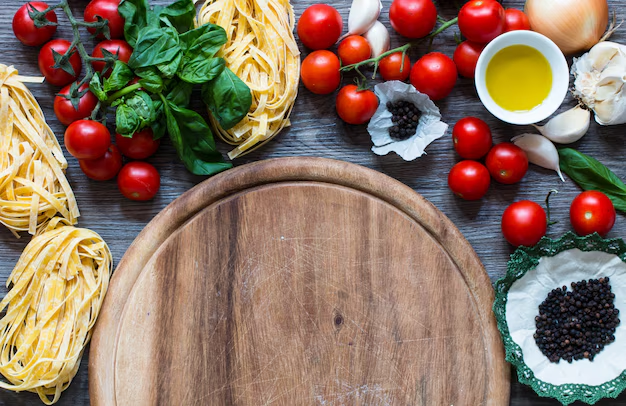
What Is the Mediterranean Diet — And Is It Actually Worth It?
The Mediterranean diet gets more attention than almost any other eating pattern — and unlike most nutrition trends, it's been studied for decades. But "Mediterranean diet" means different things to different people, and whether it's right for you depends on your health goals, current habits, and how you eat now. Here's a clear-eyed look at what it actually involves and what the evidence suggests.
What Is the Mediterranean Diet?
The Mediterranean diet isn't a strict meal plan — it's a dietary pattern inspired by the traditional eating habits of people living in countries bordering the Mediterranean Sea, particularly Greece, southern Italy, and Spain.
At its core, the pattern emphasizes:
- Vegetables, fruits, legumes, and whole grains as the foundation of most meals
- Olive oil as the primary cooking fat
- Fish and seafood eaten regularly (typically several times per week)
- Nuts and seeds as everyday snacks and ingredients
- Moderate amounts of dairy — mainly yogurt and cheese rather than milk
- Poultry and eggs in moderate quantities
- Red meat eaten sparingly — think occasional rather than daily
- Wine consumed in low to moderate amounts with meals (though this is optional and context-dependent)
What it limits is just as important: ultra-processed foods, refined grains, added sugars, and highly processed meats are largely absent from the traditional pattern.
It's worth noting that no single "official" Mediterranean diet exists. Researchers use scoring systems to measure how closely someone's eating aligns with the general pattern — but there's natural variation in how the diet is defined across studies.
What Makes It Different From Other Popular Diets?
🍽️ Most popular diets work by restricting something dramatically — carbs, fat, calories, or food groups. The Mediterranean diet is different because it's additive and permissive by design.
| Feature | Mediterranean Diet | Keto | Low-Fat Diet |
|---|---|---|---|
| Carbohydrates | Whole grains included | Severely restricted | Unrestricted |
| Fat | Emphasized (healthy fats) | Emphasized (all fats) | Restricted |
| Protein | Moderate | High | Moderate |
| Processed foods | Minimized | Varies | Varies |
| Flexibility | High | Low | Moderate |
| Sustainability | Generally high | Variable | Moderate |
Rather than a set of rules to follow temporarily, the Mediterranean approach is intended as a long-term way of eating. That flexibility is considered one of its practical advantages — it can be adapted to many different cuisines and budgets.
What Does the Research Actually Say?
The Mediterranean diet has one of the stronger bodies of research behind it compared to most dietary patterns. That said, nutrition science is complex, and it's worth understanding what the evidence does and doesn't show.
Where the evidence is more consistent:
- Cardiovascular health — Multiple large studies have associated the Mediterranean eating pattern with reduced markers of cardiovascular risk. It's frequently cited in heart health guidelines as a dietary approach worth considering.
- Blood sugar regulation — The diet's emphasis on fiber-rich foods, healthy fats, and low refined sugar may support steadier blood glucose levels, which is relevant for people managing or trying to prevent type 2 diabetes.
- Inflammation — The diet is rich in foods associated with lower inflammatory markers — olive oil, fatty fish, nuts, and vegetables all contain compounds studied for anti-inflammatory properties.
- Cognitive health — Some research has explored links between Mediterranean-style eating and cognitive aging, though this remains an active and evolving area of study.
- Weight management — The diet isn't a weight-loss diet specifically, but its emphasis on filling, nutrient-dense foods can support healthy weight over time for many people.
What the evidence doesn't guarantee:
No diet produces identical outcomes for every person. Genetics, activity level, sleep, stress, medication, and overall health status all interact with what you eat. Studies showing population-level associations don't predict individual results.
What Are the Core Components That Drive Its Benefits?
Understanding why the Mediterranean diet appears to be beneficial helps you evaluate it more clearly.
Olive oil is central — it's a significant source of monounsaturated fats and plant compounds called polyphenols, which have been studied for cardiovascular and anti-inflammatory effects.
Fatty fish (like salmon, sardines, and mackerel) contribute omega-3 fatty acids, which are linked to heart and brain health.
Legumes and whole grains provide fiber that supports digestive health, cholesterol balance, and satiety — helping you feel full without excess calories.
Nuts and seeds deliver healthy fats, protein, and micronutrients in a concentrated form.
The pattern also happens to minimize what researchers increasingly associate with poor health outcomes: ultra-processed foods, excess sodium, added sugars, and refined carbohydrates.
Is the Mediterranean Diet Worth It — And Who Is It Best Suited For?
🌿 Whether this eating pattern makes sense for you depends on several personal factors:
It tends to work well for people who:
- Want a flexible, sustainable long-term eating pattern rather than a short-term diet
- Are focused on heart health, blood sugar management, or reducing inflammation
- Enjoy cooking with whole ingredients and don't mind spending moderate time in the kitchen
- Are willing to eat more fish and plant-based foods than they currently do
It may require more thought for people who:
- Have specific medical conditions requiring tailored dietary management (a registered dietitian can help)
- Are on a very tight budget (though legumes and seasonal vegetables are affordable; fish and olive oil can add cost)
- Follow cultural or religious dietary restrictions that conflict with some components
- Are looking for rapid weight loss — this isn't a crash diet and results vary widely
A word on the alcohol component: Many Mediterranean diet frameworks include moderate wine consumption, but nutrition guidance on alcohol has evolved. People who don't drink shouldn't start for health reasons, and those with any history of alcohol use concerns should treat this element as optional and irrelevant to the diet's core benefits.
Practical Ways to Shift Toward This Eating Pattern
You don't need to overhaul everything at once. The Mediterranean diet is adaptable, and most people can move toward it gradually:
- Swap refined grains for whole grains — whole wheat bread, brown rice, farro, or barley
- Use olive oil in place of butter or processed vegetable oils where it makes sense
- Add a serving of fish to your weekly routine, then build from there
- Make vegetables the center of at least a few meals each week rather than a side
- Snack on nuts rather than packaged snack foods
- Lean on legumes — lentils, chickpeas, and beans are inexpensive, filling, and nutritionally dense
The pattern rewards consistency over perfection. An occasional meal that doesn't fit the pattern has little effect if the majority of what you eat aligns with it.
What to Consider Before Deciding
💡 The Mediterranean diet is well-supported by research, flexible in practice, and doesn't require expensive supplements or eliminating entire food groups. For many people, that makes it one of the more accessible and sustainable options available.
But "worth it" is ultimately a question only you can answer, because it depends on what you're trying to achieve, what health factors are in play, and what you're realistically able to maintain. If you have specific health conditions, are managing a chronic disease, or are unsure where your current diet stands, working with a registered dietitian can help you understand what modifications make the most sense for your particular situation — rather than applying a general pattern and hoping for the best.