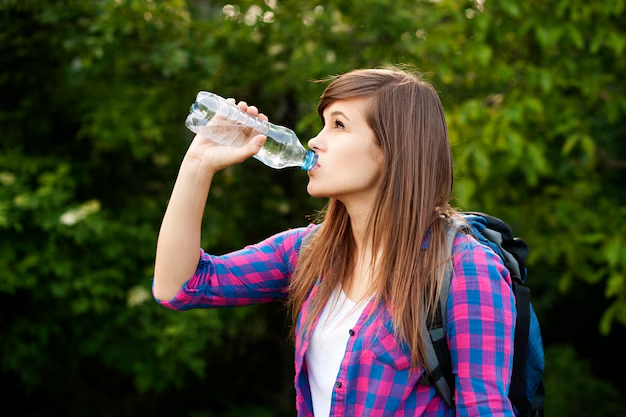
The Real Benefits of Drinking More Water Every Day
Water is the most fundamental nutrient your body needs — and one most people underestimate. Unlike vitamins or macronutrients, which require careful tracking and food planning, drinking more water is one of the simplest changes anyone can make to support their health. But what does it actually do, and how much difference does it really make?
Here's an honest look at the landscape.
Why Water Is Central to How Your Body Functions
Your body is largely composed of water, and virtually every system depends on it. Water acts as a transport medium — carrying nutrients to cells and flushing waste products out through urine and sweat. It regulates your body temperature, cushions joints, supports digestion, and helps your organs function efficiently.
When your body doesn't have enough water to work with, it doesn't shut down — it compensates. But that compensation comes at a cost, and that cost shows up in ways people often don't connect to hydration.
Dehydration exists on a spectrum. You don't have to be visibly parched to feel its effects. Even mild dehydration — the kind that doesn't make you feel dramatically thirsty — can affect how your body and mind perform. The symptoms are often subtle and easy to misattribute to other causes.
Key Benefits of Drinking More Water Daily 💧
1. Supports Physical Energy and Performance
During physical activity, your body loses water through sweat at a rate that varies based on your size, fitness level, the intensity of exercise, and environmental conditions. As water loss accumulates without replacement, physical performance can decline — affecting endurance, strength, and coordination.
For people who exercise regularly or work in physically demanding environments, consistent hydration before, during, and after activity matters more than it does for someone sedentary. The variables that determine individual impact include:
- Baseline activity level
- Climate and heat exposure
- Body size and sweat rate
- Duration and intensity of physical effort
2. Affects Cognitive Function and Mood
Research consistently points to a connection between hydration status and mental performance. Even modest fluid deficits have been associated with reduced concentration, slower reaction time, increased perception of task difficulty, and shifts in mood — including increased feelings of fatigue and irritability.
This doesn't mean drinking a glass of water will instantly sharpen your thinking. But it does mean that if your baseline fluid intake is chronically low, your cognitive baseline may be lower than it needs to be.
People who notice mid-afternoon mental fog, difficulty focusing, or unexplained low energy sometimes find that addressing hydration is one contributing factor — though it's rarely the only one.
3. Supports Digestion and Gut Health
Water plays a direct role in digestion. It helps break down food so nutrients can be absorbed, and it keeps the digestive tract moving smoothly. Inadequate hydration is one of the most common contributors to constipation, as the colon pulls water from waste material when the body is running dry, making stools harder to pass.
Drinking more water supports the mucous membranes lining the digestive tract and helps the kidneys filter and excrete waste products efficiently. People with digestive concerns are often advised by healthcare providers to look at fluid intake as part of a broader dietary picture — alongside fiber, movement, and other factors.
4. Plays a Role in Appetite Regulation
Thirst and hunger signals can sometimes be confused by the body, particularly when someone isn't accustomed to drinking water regularly. Drinking water before or during meals has been associated with feeling fuller more quickly in some research contexts, though the magnitude of that effect varies by individual.
Water has no calories, so replacing higher-calorie beverages — sweetened drinks, juices, or alcohol — with water is one dietary change that can reduce overall calorie intake without requiring complex meal planning. Whether that shift makes a meaningful difference depends on what someone is currently drinking and how much.
5. Supports Kidney Function and Urinary Health
The kidneys filter blood and produce urine. They need adequate fluid to dilute waste products and pass them out of the body effectively. Chronically low fluid intake concentrates urine, which is associated with a higher risk of kidney stones in people who are predisposed to them.
Staying well-hydrated keeps urine dilute — generally appearing pale yellow rather than dark amber — which reflects healthy kidney function. For people with a personal or family history of kidney stones, healthcare providers often specifically emphasize fluid intake as a management factor.
6. Impacts Skin and Body Temperature
Skin contains a significant amount of water, and hydration affects its elasticity and appearance — though skin health is influenced by many factors including genetics, diet, sun exposure, and skincare. Hydration is one piece of that picture, not the whole story.
Body temperature regulation is more straightforward: sweating is your body's primary cooling mechanism, and sweat is water. In hot conditions or during exercise, replacing lost fluid is essential to preventing heat-related illness — a risk that increases significantly with dehydration.
How Much Water Do You Actually Need?
This is where individual circumstances matter enormously. There's no single number that applies to everyone. The factors that shape your actual daily needs include:
| Factor | Why It Matters |
|---|---|
| Body size and weight | Larger bodies generally require more fluid |
| Activity level | Exercise increases fluid loss through sweat |
| Climate and humidity | Hot or dry environments increase needs |
| Diet composition | High-water foods (fruits, vegetables) contribute to intake |
| Health conditions | Some conditions require adjusted fluid intake |
| Medications | Certain medications affect fluid balance |
| Pregnancy or breastfeeding | Fluid needs increase significantly |
The idea of drinking exactly eight glasses a day is a common shorthand, but it's not a universal prescription. Some people need more; some may need less. Urine color is a practical general indicator — pale yellow typically suggests adequate hydration, while consistently dark urine suggests you may need more.
A healthcare provider is the right person to advise if you have specific conditions, take medications, or have reason to believe your hydration needs fall outside the typical range.
Common Sources of Hydration Beyond Plain Water 🥗
Plain water is the most efficient hydration source, but it's not the only one. Other sources contribute to daily fluid intake:
- Herbal teas and other low-caffeine beverages count toward hydration
- Fruits and vegetables — particularly cucumbers, watermelon, oranges, and leafy greens — have high water content
- Broths and soups provide both hydration and nutrients
- Caffeinated beverages like coffee and tea contribute fluid overall, though they have a mild diuretic effect that partially offsets the water content
The trade-off to evaluate is what else comes along for the ride. Beverages high in sugar, caffeine, or alcohol have other dietary implications that may not align with broader health goals, even if they provide some fluid.
Practical Ways to Drink More Water Each Day
Knowing the benefits is one thing — making it a consistent habit is another. A few approaches that work across different lifestyles:
- Start the day with water before coffee or food, when mild overnight dehydration is common
- Keep water visible and accessible — having a water bottle at your desk or in your bag reduces friction
- Pair drinking with existing habits — a glass before each meal creates a natural routine
- Flavor it if plain water feels unappealing — sliced citrus, cucumber, or fresh mint can help without adding significant calories
- Track urine color as a low-effort daily check on whether you're hitting an adequate range
What Drinking More Water Won't Do ⚠️
It's worth being honest about limits. Adequate hydration supports your body's systems — it doesn't cure, treat, or fix underlying health conditions. Claims that water alone clears toxins, produces dramatic skin transformations, or causes significant weight loss overstate what the evidence shows.
What water does is create the conditions in which your body can function as it's designed to. If other factors — diet, sleep, stress, underlying health issues — are working against you, better hydration helps but doesn't override them.
The value of consistent, adequate hydration is real, documented, and worth prioritizing. How much it changes your day-to-day experience depends on where you're starting from.