Best Healthy Snacks for Adults: What to Eat and Why It Matters
Snacking gets a bad reputation, but the problem usually isn't snacking itself — it's what people reach for when hunger hits between meals. For adults, well-chosen snacks can support energy, manage appetite, and fill nutritional gaps. Poorly chosen ones can quietly undermine an otherwise solid diet. The difference comes down to understanding what makes a snack genuinely useful for your body.
What Makes a Snack "Healthy" in the First Place?
The word "healthy" is used loosely, so it helps to ground it in what nutrition science generally supports. A healthy snack for adults typically does some combination of the following:
- Provides sustained energy rather than a quick spike followed by a crash
- Contributes meaningful nutrients — protein, fiber, healthy fats, vitamins, or minerals — rather than just calories
- Supports satiety so you're not hungry again 20 minutes later
- Fits within your overall daily intake without tipping calorie or sodium totals past what your body needs
No single snack does all of this perfectly for every person. What counts as a good snack depends heavily on your individual health status, activity level, dietary needs, and what you've already eaten that day.
The Building Blocks of a Satisfying Snack 🧱
Most nutrition guidance points to a few core components that make snacks more effective at keeping you fueled and full:
Protein
Protein slows digestion and helps maintain muscle. Adults generally benefit from distributing protein across meals and snacks rather than loading it all into one sitting. Snack sources include Greek yogurt, eggs, cottage cheese, edamame, nuts, seeds, and legume-based dips like hummus.
Fiber
Fiber adds bulk, slows the absorption of sugar, and feeds beneficial gut bacteria. Whole fruits, vegetables, whole grains, and legumes are reliable fiber sources. Fiber-rich snacks tend to keep hunger quieter for longer compared to refined options.
Healthy Fats
Fats from nuts, seeds, avocado, and similar sources are calorie-dense but also highly satiating. A small amount goes a long way, which is worth keeping in mind if you're monitoring calorie intake.
What to Limit
Snacks high in added sugars, refined carbohydrates, excess sodium, or ultra-processed ingredients tend to deliver short-term satisfaction with limited nutritional payoff. That doesn't mean these are forbidden — context matters — but they're worth recognizing for what they are.
Practical Snack Options Worth Knowing About
Rather than ranking snacks or endorsing specific products, here's a breakdown by category to help you think through your options:
| Category | Examples | Primary Benefit |
|---|---|---|
| Protein-forward | Greek yogurt, cottage cheese, hard-boiled eggs, edamame | Satiety, muscle support |
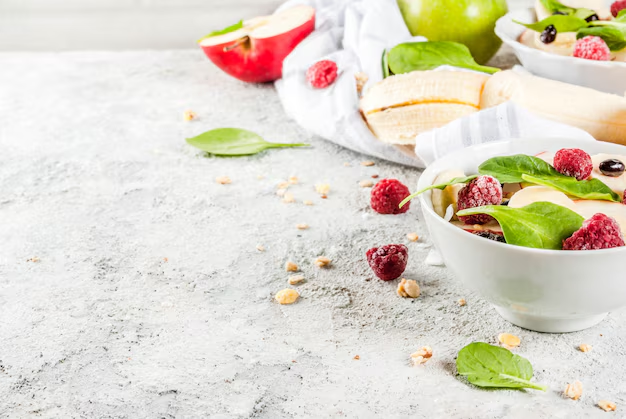
| Whole fruit | Apples, bananas, berries, oranges | Fiber, vitamins, natural sugars |
| Vegetables + dip | Carrots, celery, bell peppers with hummus or nut butter | Fiber, volume, healthy fats |
| Nuts and seeds | Almonds, walnuts, pumpkin seeds, sunflower seeds | Healthy fats, protein, minerals |
| Whole grain options | Oat-based crackers, air-popped popcorn, rice cakes | Fiber, slower energy release |
| Dairy or dairy alternatives | Cheese slices, kefir, fortified plant-based yogurt | Protein, calcium |
| Legume-based | Roasted chickpeas, hummus, bean dips | Fiber, plant protein |
These categories cover a wide range of preferences, dietary patterns, and budgets. The right combination for you depends on your own goals and health context.
How Your Goals Shape What "Best" Means 🎯
There's no universal "best" snack — what works well for one adult may not suit another. A few examples of how goals shift the equation:
If you're managing blood sugar: Snacks that combine protein, fiber, and fat — like apple slices with nut butter, or vegetables with hummus — tend to produce a gentler blood sugar response than high-carb, low-fiber options. Anyone managing diabetes or insulin resistance should work with their healthcare provider on specific targets.
If you're trying to manage weight: Snack frequency, portion size, and composition all matter. High-volume, lower-calorie snacks (raw vegetables, broth-based soups, air-popped popcorn) may help with satiety. But whether snacking helps or hinders weight management varies significantly by individual and overall dietary pattern.
If you're physically active: Snack timing and composition can support recovery or fuel performance. Carbohydrate-and-protein combinations are commonly used around workouts, though optimal amounts depend on the type, duration, and intensity of activity.
If you have dietary restrictions: Lactose intolerance, gluten sensitivity, nut allergies, or plant-based eating each shape the realistic options differently. The good news is that every category above has alternatives that fit most major dietary patterns.
Common Snacking Mistakes Adults Make
Even with good intentions, snacking can go sideways in predictable ways:
Mistaking "natural" or "organic" for nutritious. A product labeled with health buzzwords can still be high in added sugar or low in meaningful nutrients. Reading the ingredient list and nutrition label matters more than front-of-package marketing.
Underestimating portion sizes. Nuts, nut butters, cheese, and dried fruit are nutritious — but also calorie-dense. A small handful and a large handful are very different nutritional situations.
Snacking out of boredom rather than hunger. Emotional and habitual eating are real patterns. Pausing to check whether you're actually hungry before reaching for a snack is a simple but underused habit.
Skipping snacks when you actually need them. Going too long without eating can lead to overeating at the next meal. For some adults, a planned snack between meals supports better overall intake and energy.
How to Build a Snack That Actually Works
A useful framework: aim for snacks that combine at least two of the three macronutrient groups — protein, fat, and fiber-rich carbohydrates. This combination tends to slow digestion, moderate blood sugar response, and extend satiety compared to single-ingredient, single-macronutrient options.
Practical pairings that follow this logic:
- Apple + almond butter
- Cottage cheese + berries
- Whole-grain crackers + avocado
- Carrot sticks + hummus
- Hard-boiled egg + a piece of fruit
- Roasted chickpeas + a small handful of walnuts
These aren't prescriptions — they're examples of the pairing principle in action. What you enjoy, what you tolerate well, and what fits your daily nutritional targets all influence what actually belongs on your list.
What Nutrition Labels Tell You (and What They Don't) 📋
For packaged snacks, the nutrition facts panel is your most reliable tool. Key things to check:
- Serving size — often smaller than what most people eat in one sitting
- Added sugars — listed separately from total sugars since 2020 labeling updates in many countries
- Sodium — easy to accumulate quickly through savory snack foods
- Fiber and protein — indicators of a more satiating, nutritionally useful product
- Ingredients list — shorter lists with recognizable ingredients are generally a useful signal, though not a guarantee
No label tells you whether a specific food is right for your specific needs — that's where your own health context, and when relevant, a registered dietitian's input, comes in.
The Bottom Line on Adult Snacking
Healthy snacking for adults isn't about finding a single perfect food or eliminating snacks altogether. It's about understanding what your body responds to, what your nutritional goals are, and how individual snacks fit into the bigger picture of your overall diet. The options are genuinely wide — there's room for personal preference, cultural food traditions, budget, and convenience alongside nutritional quality. What matters most is making those choices intentionally rather than by default.