How to Reduce Cortisol Levels Naturally: What Actually Works
Cortisol gets a bad reputation, but it isn't inherently harmful. It's your body's primary stress hormone — released by the adrenal glands, it helps regulate energy, blood pressure, inflammation, and your sleep-wake cycle. The problem isn't cortisol itself. It's chronically elevated cortisol, which happens when stress becomes constant and the body never fully recovers.
When cortisol stays high for extended periods, people commonly notice poor sleep, increased anxiety, weight gain around the midsection, brain fog, and a generally depleted feeling. The good news is that lifestyle-based strategies have solid research support for helping the body regulate cortisol more effectively — no prescriptions required for many people.
What Drives Cortisol Levels Up in the First Place?
Before you can reduce cortisol, it helps to understand what pushes it higher. Several factors influence how much cortisol your body produces and how quickly it clears:
- Perceived psychological stress — work pressure, relationship conflict, financial worry
- Poor or insufficient sleep — cortisol follows a circadian rhythm; disrupted sleep throws that cycle off
- Intense or prolonged physical exertion — particularly over-training without adequate recovery
- Blood sugar instability — dips in blood glucose are themselves a stress signal the body responds to with cortisol
- Caffeine consumption — especially in high doses or later in the day
- Social isolation and loneliness — a consistently underappreciated driver
- Underlying health conditions — including thyroid disorders, chronic pain, and clinical anxiety
What drives elevated cortisol for one person may be irrelevant for another. Someone whose cortisol runs high primarily because of sleep deprivation needs a different focus than someone whose levels are driven by relentless work stress or over-training at the gym.
Evidence-Backed Approaches to Lowering Cortisol Naturally
🧘 Mindfulness and Intentional Relaxation
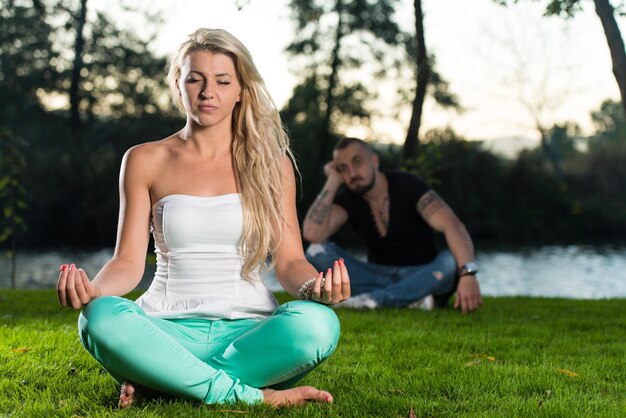
Mindfulness-based practices — including meditation, deep breathing, and progressive muscle relaxation — are among the most studied natural interventions for cortisol. They work by activating the parasympathetic nervous system (the "rest and digest" counterpart to the stress response), which signals the adrenal glands to ease up on cortisol production.
Diaphragmatic breathing (slow, deep belly breathing) is particularly accessible — it can produce measurable physiological calming within minutes. Consistent practice over weeks tends to produce more sustained effects than occasional use.
How much benefit a person gets depends on consistency, baseline stress levels, and how well these techniques fit their lifestyle and temperament.
😴 Sleep Quality and Quantity
Cortisol follows a natural daily rhythm, peaking shortly after waking and tapering toward bedtime. Disrupted or insufficient sleep destabilizes this rhythm — and that instability compounds over time.
Improving sleep hygiene is one of the highest-leverage natural strategies for cortisol regulation. Key factors include:
- Consistent sleep and wake times (including weekends)
- Limiting blue light exposure in the evening
- Keeping the sleep environment cool, dark, and quiet
- Avoiding alcohol close to bedtime (it disrupts sleep architecture even when it initially induces drowsiness)
The relationship between cortisol and sleep runs both ways: elevated cortisol can make it harder to fall and stay asleep, which then keeps cortisol elevated. Breaking that cycle often requires addressing both sides simultaneously.
🏃 Exercise — Done at the Right Dose
Regular moderate-intensity exercise is well-supported for reducing baseline cortisol over time. It also improves sleep quality, reduces anxiety, and builds resilience to stress — all of which indirectly support cortisol regulation.
The nuance here is important: acute intense exercise temporarily raises cortisol as part of a normal adaptive response. That's not a problem in itself. The issue arises when exercise volume and intensity are too high without adequate recovery — a pattern sometimes called over-training — which can keep cortisol chronically elevated.
For most people seeking cortisol reduction, consistent moderate activity (walking, cycling, swimming, resistance training with adequate rest) tends to be more beneficial than pushing intensity without recovery built in.
🌿 Nutrition and Blood Sugar Balance
What you eat influences cortisol in ways people often underestimate. The clearest connection is blood sugar regulation. When blood glucose drops sharply — often after high-sugar meals followed by rapid crashes — the body treats it as a physiological stressor and releases cortisol to raise blood sugar back up.
Dietary patterns that support stable blood sugar (adequate protein, fiber-rich carbohydrates, healthy fats, and limited ultra-processed foods) can help reduce these cortisol spikes over the course of a day.
Some foods and compounds are specifically associated with cortisol-lowering effects in research, including:
- Dark chocolate (in moderate amounts) — contains flavonoids associated with stress response modulation
- Omega-3 fatty acids (found in fatty fish, flaxseed, walnuts) — linked to reduced cortisol and inflammation markers
- Phosphatidylserine — a compound found in foods like soybeans, white beans, and egg yolks, with some evidence for blunting cortisol response to physical stress
- Ashwagandha — an adaptogenic herb with a growing body of research supporting cortisol reduction, though individual responses vary and it's not appropriate for everyone
Nutritional strategies work best as part of a broader pattern rather than isolated "fixes." No single food will meaningfully move cortisol on its own.
Social Connection and Environment
Human beings are wired for social connection, and social isolation reliably raises cortisol. Strong, supportive relationships — as well as simply spending time with people you feel safe around — are associated with lower cortisol responses to stress.
Time in nature also has documented effects on cortisol. Even relatively short periods in natural environments (forests, parks, near water) have been associated with measurable reductions in cortisol compared to urban settings. This effect appears to be real, though the magnitude varies across individuals.
What Doesn't Work (or Creates New Problems)
Some popular "cortisol hacks" aren't well-supported — and a few can backfire:
| Approach | The Reality |
|---|---|
| Eliminating all stress | Impossible and counterproductive — some cortisol response is healthy and necessary |
| High-dose stimulants to push through fatigue | Typically raises cortisol further; masks the recovery signals your body is sending |
| Extreme caloric restriction | Acts as a physiological stressor and raises cortisol |
| Alcohol as a stress reliever | Short-term relaxation effect masks disrupted sleep and hormonal balance that follows |
| Excessive supplementation without guidance | Adaptogens and hormonal supplements carry real risks for some people and health conditions |
When Lifestyle Approaches Aren't Enough
For some people, chronically elevated cortisol has underlying causes that lifestyle changes alone won't fully address. These can include Cushing's syndrome (a rare condition involving cortisol overproduction), thyroid issues, chronic clinical anxiety or PTSD, or medication side effects.
If you've made consistent lifestyle changes and symptoms persist — particularly if you're experiencing significant weight changes, extreme fatigue, high blood pressure, or mood disruption — that's worth discussing with a healthcare provider. Blood and saliva tests can measure cortisol patterns throughout the day and help identify whether something beyond lifestyle factors is involved.
The Variables That Shape Your Results
How effectively any of these strategies work depends on factors specific to you:
- Your primary stress drivers (psychological, physical, environmental, or health-related)
- Your baseline cortisol pattern (morning vs. evening spikes, overall load)
- How consistently you can apply changes — cortisol regulation is dose- and duration-dependent
- Any underlying health conditions that influence hormonal balance
- Current medications or supplements that may interact with cortisol pathways
Understanding the landscape of what's available is the first step. Knowing which pieces of that landscape apply to your situation — and in what order to tackle them — requires honest assessment of where your stress and symptoms are actually coming from.