How to Manage Anxiety Naturally: What Actually Works and Why
Anxiety is one of the most common mental health experiences people face — and one of the most misunderstood. It exists on a wide spectrum, from the ordinary nervousness before a big meeting to the kind of persistent, overwhelming worry that disrupts daily life. For many people, natural strategies can play a meaningful role in managing anxiety. For others, they're best used alongside professional support.
This article explains the landscape: what natural anxiety management involves, which approaches have the most evidence behind them, and what factors shape whether a given strategy is likely to help.
What "Managing Anxiety Naturally" Actually Means
Natural anxiety management refers to lifestyle-based, behavioral, and mind-body strategies that don't involve prescription medication. This isn't a rejection of professional care — it's a category of tools that many mental health professionals actively recommend, often as first-line approaches for mild to moderate anxiety or as complements to clinical treatment.
The goal isn't to eliminate anxiety entirely. Some anxiety is functional — it sharpens focus, signals danger, and motivates action. The goal is to reduce anxiety that's disproportionate, persistent, or impairing.
The Core Mechanisms: Why Natural Approaches Can Work 🧠
Anxiety has a physiological foundation. When your brain perceives a threat (real or imagined), it activates the sympathetic nervous system — the "fight or flight" response. Heart rate rises, breathing quickens, muscles tense. This system evolved to protect you from immediate danger, not to run on a loop during a busy workweek.
Natural strategies generally work by interrupting or calming this response through one of several pathways:
- Activating the parasympathetic nervous system (the body's "rest and digest" mode)
- Regulating stress hormones like cortisol and adrenaline
- Retraining thought patterns that amplify anxious responses
- Improving physiological resilience through sleep, nutrition, and movement
Understanding which mechanism a strategy targets helps explain why combining approaches is often more effective than any single fix.
Approaches With Meaningful Evidence
Breathing and Relaxation Techniques
Controlled breathing is one of the fastest and most accessible tools available. Slow, diaphragmatic breathing directly activates the parasympathetic nervous system, counteracting the physiological anxiety response.
Common techniques include:
- Box breathing (equal counts of inhale, hold, exhale, hold)
- 4-7-8 breathing (inhale for 4, hold for 7, exhale for 8)
- Progressive muscle relaxation (systematically tensing and releasing muscle groups)
These techniques don't require equipment, cost nothing, and can be practiced anywhere. Their effectiveness tends to increase with consistent practice rather than one-off use.
Physical Exercise
Exercise has a well-established relationship with anxiety reduction. It metabolizes stress hormones, releases endorphins, improves sleep quality, and builds a sense of physical competence and control.
What varies significantly by individual:
- Type of exercise — aerobic exercise (walking, running, cycling) tends to show strong effects on mood and anxiety; strength training and yoga also show benefits but through somewhat different mechanisms
- Frequency and duration — more isn't always better; even moderate, consistent activity appears more beneficial than irregular intense sessions
- Timing — intense exercise late in the day can disrupt sleep for some people, which itself worsens anxiety
The key variable here is sustainability. The "best" exercise for anxiety management is the kind a person will actually do consistently.
Sleep Prioritization
Anxiety and poor sleep have a circular relationship: anxiety disrupts sleep, and poor sleep amplifies anxiety. Breaking this cycle is often foundational.
Sleep hygiene strategies — consistent sleep and wake times, limiting screen exposure before bed, reducing caffeine, keeping the sleeping environment cool and dark — are widely recommended because they address multiple physiological drivers of poor sleep simultaneously.
For people whose anxiety is significantly disrupting sleep, addressing sleep quality often produces noticeable downstream effects on daytime anxiety levels.
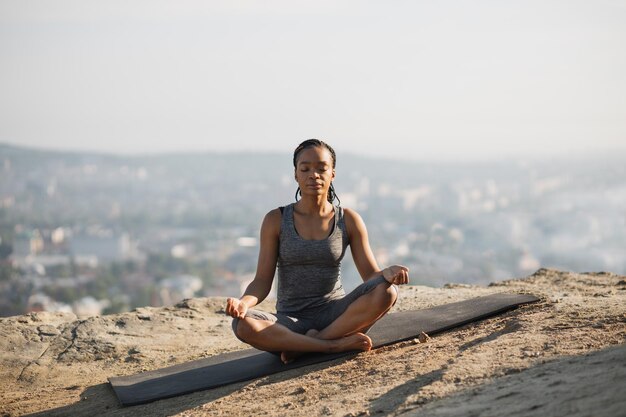
Mindfulness and Meditation 🧘
Mindfulness is the practice of observing thoughts, sensations, and emotions without judgment. It doesn't stop anxious thoughts from arising — it changes how a person relates to them.
Mindfulness-Based Stress Reduction (MBSR) is a structured program with a substantial body of research behind it. More informal practices — guided meditation apps, body scans, mindful walking — are lower barriers to entry and can build the same underlying skill over time.
The evidence is clearest for people who practice consistently over weeks or months, not as a one-time intervention.
Limiting Stimulants and Alcohol
Caffeine is a stimulant that directly increases physiological arousal — the same state that underlies anxiety. Sensitivity varies widely between individuals; for some people, eliminating caffeine produces a noticeable reduction in baseline anxiety, while others are minimally affected.
Alcohol is commonly used to manage anxiety in the short term but tends to worsen it over time. It disrupts sleep architecture, depletes neurotransmitters involved in mood regulation, and can create dependency dynamics that amplify anxiety between uses.
Social Connection and Nature Exposure
Less discussed but worth noting: social connection has a buffering effect on stress and anxiety for most people. Isolation tends to amplify anxious rumination. Similarly, time in natural environments — sometimes called "green time" — is associated with measurable reductions in physiological stress markers, though individual response varies.
Factors That Shape How Well Natural Strategies Work
| Factor | Why It Matters |
|---|---|
| Severity of anxiety | Mild to moderate anxiety typically responds more readily to natural strategies than severe or clinical anxiety disorders |
| Type of anxiety | Generalized anxiety, social anxiety, panic disorder, and phobias have different drivers and respond differently to various approaches |
| Consistency | Most natural strategies require sustained practice to produce lasting results |
| Underlying contributors | Anxiety driven by thyroid issues, hormonal changes, or other medical conditions may not respond to lifestyle changes alone |
| Co-occurring conditions | Depression, trauma, or substance use often interact with anxiety in ways that shape what's effective |
| Individual neurobiology | Some people have a higher baseline of physiological reactivity, which affects how much behavioral change moves the needle |
When Natural Strategies Aren't Enough
Natural approaches are genuinely powerful for many people — but they have limits, and recognizing those limits is part of managing anxiety well.
If anxiety is significantly impairing daily functioning, relationships, or work; if it includes panic attacks, intrusive thoughts, or compulsive behaviors; or if it's been persistent despite consistent effort with lifestyle strategies, those are signals that professional evaluation is worth pursuing. Cognitive Behavioral Therapy (CBT), for example, is a structured psychological treatment with strong evidence for anxiety disorders — and it works through some of the same mechanisms as the natural strategies above, but with clinical precision and personalization.
Natural strategies and professional support aren't competing options. For many people, they work best in combination.
What to Actually Evaluate for Your Own Situation 🔍
The honest answer to "what natural approach will work for me?" depends on things only you (and potentially a clinician) can assess:
- How long have you been experiencing anxiety, and how much is it affecting your functioning?
- Have you identified specific triggers, or is it more generalized and constant?
- Which approaches have you actually tried consistently, as opposed to once or twice?
- Are there lifestyle factors — sleep debt, high caffeine intake, social isolation — that haven't been addressed yet?
- Is there any possibility of underlying medical contributors worth ruling out?
The landscape of natural anxiety management is real and well-supported. Which paths within it are right for you depends on where you're starting from and what you're dealing with.