What Causes High Blood Pressure? A Plain-Language Guide
High blood pressure — known medically as hypertension — affects a large portion of adults worldwide, yet many people who have it feel no symptoms at all. That's part of what makes it dangerous. Understanding what drives blood pressure up is the first step toward having an informed conversation with your doctor about your own health.
What Is High Blood Pressure, Exactly?
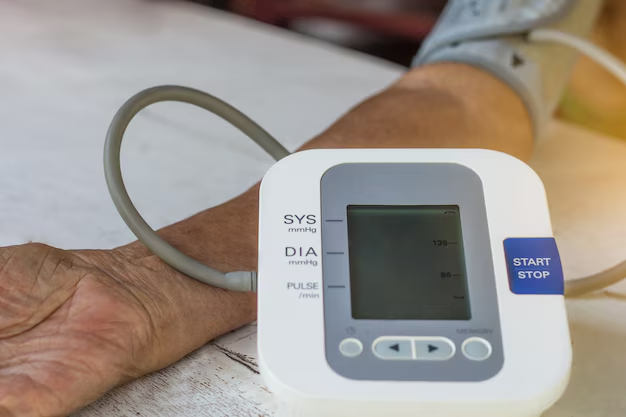
Blood pressure is the force your blood exerts against the walls of your arteries as your heart pumps. It's recorded as two numbers: systolic pressure (the force when your heart beats) over diastolic pressure (the force when your heart rests between beats).
When that force stays elevated over time, it strains your heart, damages artery walls, and raises the risk of serious outcomes like heart attack, stroke, and kidney disease. The key word is sustained — a temporary spike from stress or exercise is normal. Chronic elevation is the concern.
The Two Main Types of High Blood Pressure
Not all hypertension has the same origin, and that distinction matters.
Primary (Essential) Hypertension
This is the most common form. It develops gradually over years with no single identifiable cause. Instead, it results from a combination of genetic, lifestyle, and environmental factors building up over time. Most adults diagnosed with high blood pressure have this type.
Secondary Hypertension
This type has a specific, identifiable underlying cause — often a medical condition or medication. It can appear more suddenly and tends to produce higher blood pressure readings than primary hypertension. Identifying and treating the root cause is central to managing it.
What Causes Primary High Blood Pressure? 🔍
Because primary hypertension doesn't have one single trigger, researchers understand it as a multifactorial condition — meaning multiple factors interact to push blood pressure higher over time.
Lifestyle Factors
These are among the most well-documented contributors:
- Diet high in sodium: Excess salt causes the body to retain fluid, which increases the volume of blood your heart must pump — raising pressure in the process.
- Low potassium intake: Potassium helps balance sodium's effect on blood pressure. Diets low in fruits, vegetables, and whole foods often lack it.
- Physical inactivity: A sedentary lifestyle is associated with higher resting blood pressure. Regular movement helps the heart work more efficiently.
- Excess body weight: Carrying extra weight — particularly around the abdomen — increases the workload on the heart and affects how the body regulates blood pressure.
- Alcohol consumption: Drinking heavily on a regular basis is linked to sustained blood pressure increases.
- Tobacco use: Smoking causes an immediate spike in blood pressure and damages artery walls over time, contributing to long-term elevation.
- Chronic stress: Persistent psychological stress activates hormonal responses that can raise blood pressure. How much this contributes varies significantly between individuals.
- Poor sleep: Conditions like sleep apnea, as well as consistently insufficient sleep, are increasingly recognized as contributors to elevated blood pressure.
Biological and Genetic Factors
Lifestyle explains a lot — but not everything.
- Age: Blood pressure tends to rise with age as arteries gradually stiffen and lose elasticity. This is a broad pattern, not a universal rule.
- Family history: Hypertension runs in families. Having close relatives with high blood pressure increases your likelihood of developing it, suggesting a genetic component.
- Race and ethnicity: Research consistently shows that certain populations — particularly Black adults — develop hypertension more frequently, at younger ages, and with greater severity. The reasons are complex and involve both biological and social factors.
- Sex and hormonal changes: Blood pressure patterns differ between men and women, and hormonal shifts — such as those related to pregnancy, menopause, or hormonal contraceptives — can influence readings.
What Causes Secondary High Blood Pressure?
When blood pressure has a specific underlying driver, identifying it changes the treatment approach entirely. Common causes include:
| Underlying Cause | How It Affects Blood Pressure |
|---|---|
| Kidney disease | The kidneys regulate fluid and salt balance; damage disrupts this system |
| Thyroid disorders | Both overactive and underactive thyroid can affect blood pressure |
| Adrenal gland tumors | Certain tumors cause excess production of hormones that raise blood pressure |
| Obstructive sleep apnea | Repeated drops in oxygen activate stress responses that elevate pressure |
| Narrowing of the aorta | A structural issue that forces the heart to pump harder |
| Certain medications | NSAIDs, decongestants, hormonal contraceptives, stimulants, and some antidepressants can raise blood pressure in some people |
| Illegal stimulant use | Substances like cocaine and amphetamines cause sharp, dangerous pressure spikes |
This is why doctors often investigate beyond a blood pressure reading itself — especially in younger patients or those whose pressure is hard to control.
Why Do Some People's Blood Pressure Stay High Even When They Do Everything Right? 🤔
This is a genuinely common and frustrating experience. The answer usually comes down to how multiple factors stack on top of each other — genetics, age-related changes, underlying conditions, and the cumulative effect of years of exposure to various risk factors. For some people, lifestyle improvements make a meaningful difference. For others, the biological component is dominant enough that medication becomes necessary regardless of lifestyle choices. Neither situation reflects personal failure.
Factors That Make Hypertension More Likely to Develop
Understanding your personal risk profile involves looking at a combination of things:
- What you've inherited — your family history and genetic predispositions
- How you live — diet, activity level, sleep, alcohol and tobacco use
- What your body is doing — weight, existing conditions, hormonal status
- What you're exposed to — chronic stress, environmental factors, medications
No single factor tells the whole story. Two people with similar diets can have very different blood pressure profiles because the other variables differ. That interaction is exactly why individual assessment matters.
The "Silent Killer" Problem ⚠️
High blood pressure earns its reputation as a silent killer because most people with it have no obvious symptoms. Headaches, dizziness, and nosebleeds are sometimes associated with severe spikes, but they aren't reliable warning signs for chronic hypertension. Many people only discover elevated blood pressure during a routine check — which is why regular monitoring matters even when you feel fine.
What Would You Need to Evaluate Your Own Situation?
Understanding the general causes of high blood pressure gives you useful context — but whether any of these factors apply to you, how significantly, and what to do about it requires an individualized look at your health history, current readings, medications, and lifestyle. That's a conversation worth having with a qualified healthcare provider, especially if high blood pressure runs in your family or you have other risk factors at play.