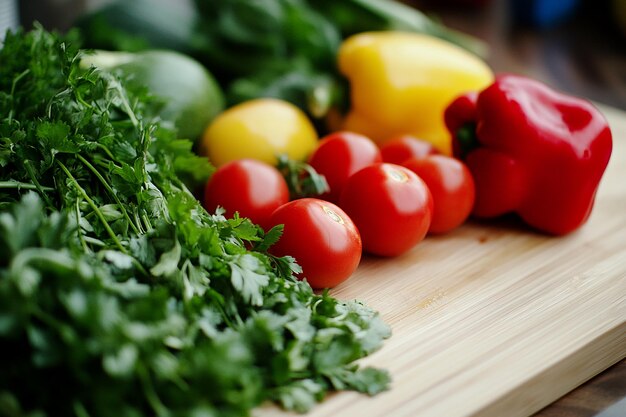
Foods That Support Liver Detox: What Actually Helps and Why
Your liver is one of the hardest-working organs in your body. It filters blood, metabolizes nutrients, processes medications, and neutralizes harmful substances — all without you thinking about it. So when people talk about "supporting liver detox," they're really talking about giving this organ the nutritional tools it needs to do its job well.
This isn't about miracle cleanses or quick fixes. It's about understanding which foods provide compounds the liver genuinely uses — and which factors determine whether dietary changes make a meaningful difference for any individual.
What "Liver Detox" Actually Means 🔬
The word "detox" gets thrown around loosely, but from a physiological standpoint, the liver performs detoxification through two well-documented processes:
- Phase 1 detoxification: Enzymes (particularly the cytochrome P450 family) convert fat-soluble toxins into intermediate compounds. This phase requires specific nutrients as cofactors.
- Phase 2 detoxification: Those intermediate compounds get bound to molecules like glutathione, sulfate, or glucuronic acid, making them water-soluble so they can be excreted through bile or urine.
Both phases depend on a steady supply of specific vitamins, minerals, amino acids, and plant compounds. A diet that's consistently low in these building blocks can limit how efficiently this system operates. Conversely, eating in ways that reduce unnecessary burden on the liver — like limiting processed fats, alcohol, and ultra-processed foods — matters just as much as what you add.
Foods That Provide Meaningful Nutritional Support
Cruciferous Vegetables
Broccoli, cauliflower, Brussels sprouts, kale, and cabbage are among the most researched foods in this category. They contain compounds called glucosinolates, which break down into sulforaphane and indole-3-carbinol during digestion. These compounds have been shown in research settings to influence Phase 1 and Phase 2 enzyme activity.
Cruciferous vegetables also provide folate and fiber — both relevant to general liver health and the gut-liver connection.
Garlic and Allium Vegetables
Garlic, onions, leeks, and chives contain organosulfur compounds including allicin and alliin. Sulfur is a required component for several Phase 2 detoxification pathways, particularly sulfation. Garlic also contains selenium, a trace mineral that supports glutathione synthesis — the liver's primary internal antioxidant.
Beets
Beets are a source of betalains (the pigments that give them their color) and betaine, a compound involved in a process called methylation. Methylation is one of the Phase 2 pathways and plays a role in how the liver processes certain toxins and metabolizes homocysteine. Beets are also high in fiber, supporting healthy bile flow and gut function.
Leafy Greens
Spinach, arugula, dandelion greens, and Swiss chard provide chlorophyll, folate, and a range of antioxidants. Dandelion greens specifically have a long history of use in traditional herbal medicine as a liver and bile-supporting food, and some preliminary research supports effects on bile production, though human evidence remains limited.
Leafy greens also help neutralize heavy metals and pesticide residues in the digestive tract before they reach the liver — reducing incoming load rather than enhancing clearance.
Citrus Fruits 🍋
Lemons, limes, grapefruit, and oranges are high in vitamin C and flavonoids like naringenin (especially in grapefruit). Vitamin C is needed for glutathione synthesis, and naringenin has shown liver-protective properties in research. One important note: grapefruit interacts with many medications by inhibiting cytochrome P450 enzymes — the same ones involved in Phase 1 detox. This is a reason to discuss grapefruit with a healthcare provider if you take regular medications.
Fatty Fish and Other Omega-3 Sources
Salmon, sardines, mackerel, and plant-based sources like flaxseeds and walnuts provide omega-3 fatty acids. These are relevant to liver health primarily through their role in managing inflammation and fat metabolism. Non-alcoholic fatty liver disease (NAFLD) is a growing concern, and dietary omega-3s have been studied for their role in reducing liver fat accumulation in certain populations.
Green Tea
Green tea contains catechins, particularly EGCG (epigallocatechin gallate), which have been studied for antioxidant and anti-inflammatory effects in liver tissue. The evidence is more mixed here — very high doses of green tea extract (as found in some supplements) have actually been linked to liver stress in rare cases, which is a reminder that "more" isn't always better.
Turmeric
Turmeric contains curcumin, which has been studied extensively for its anti-inflammatory properties. Some research suggests it may support bile production and protect liver cells from oxidative damage. Curcumin is poorly absorbed on its own — it's typically better absorbed when combined with black pepper (piperine) or fat.
Key Nutrients the Liver Depends On
| Nutrient | Role in Liver Function | Common Food Sources |
|---|---|---|
| Glutathione precursors (glycine, cysteine, glutamine) | Primary antioxidant system | Eggs, meat, legumes, spinach |
| B vitamins (B2, B3, B6, B12, folate) | Phase 1 enzyme cofactors | Whole grains, leafy greens, eggs, legumes |
| Sulfur compounds | Phase 2 sulfation pathway | Garlic, onions, eggs, cruciferous veg |
| Vitamin C | Glutathione synthesis | Citrus, bell peppers, strawberries |
| Selenium | Antioxidant enzyme production | Brazil nuts, fish, eggs |
| Magnesium | Phase 1 and 2 cofactor | Nuts, seeds, dark chocolate, greens |
What Actually Burdens the Liver (And Why Reducing That Matters)
Supporting the liver isn't just about adding beneficial foods — it's also about reducing what the liver has to work against. Consistent overconsumption of alcohol, ultra-processed foods high in refined fructose, trans fats, and unnecessary supplements or medications creates a heavier processing load. Even if your diet is rich in supportive foods, a high ongoing burden limits what those foods can accomplish.
This is why many practitioners who work with liver health emphasize a balanced, whole-food dietary pattern rather than isolated "superfoods."
Factors That Shape Whether Diet Makes a Difference for You 🌿
Not everyone starts from the same place, and the impact of dietary changes varies significantly based on:
- Baseline liver health: Someone with early-stage fatty liver disease may see meaningful changes from dietary improvements; someone with advanced liver disease needs medically supervised care.
- Overall dietary pattern: Adding broccoli to an otherwise poor diet has a different impact than adding it to an already nutrient-dense one.
- Genetics: Variations in detoxification enzyme genes (like GSTM1) affect how efficiently some people process certain compounds regardless of diet.
- Medication use: Some foods interact with hepatic enzymes in ways that affect drug metabolism — relevant for anyone on regular prescriptions.
- Underlying conditions: Conditions like hemochromatosis, Wilson's disease, autoimmune hepatitis, or viral hepatitis involve different mechanisms than dietary modification addresses.
What Doesn't Hold Up
A number of popular "liver detox" products and protocols — juice cleanses, herbal supplement combinations marketed as liver flushes, and highly restrictive short-term diets — lack robust clinical evidence of meaningful benefit in healthy people. The liver does not accumulate toxins that need periodic "flushing"; it processes and eliminates continuously. Short-term restrictive protocols may reduce caloric intake and certain dietary burdens temporarily, but they don't do anything the liver doesn't already do on its own when adequately supported.
What to Evaluate for Your Own Situation
Whether dietary changes are the right focus for your liver health depends on factors only you — ideally with a healthcare provider — can assess: your current liver function markers, any diagnosed conditions, your medication list, your overall dietary baseline, and your health goals.
The foods described here are well-supported as part of a generally healthful eating pattern. Whether any specific change will produce a specific result for you isn't something diet advice alone can determine.