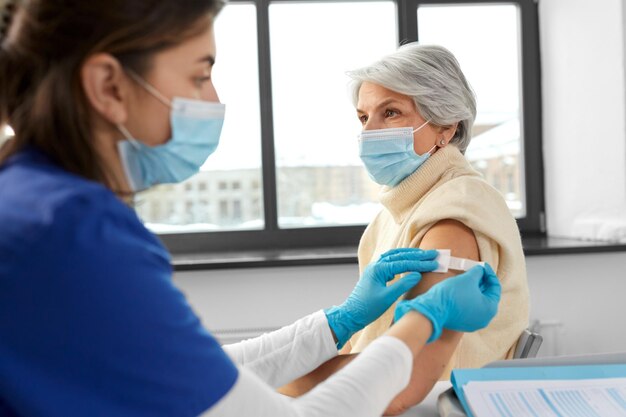
Vaccines Recommended for Adults: What You Need to Know
Most people think of vaccines as something you finish in childhood and never revisit. That's a common misconception — and one that leaves many adults under-protected against illnesses that are both preventable and serious. Adult vaccination isn't a one-time event. It's an ongoing part of preventive health, shaped by your age, health history, lifestyle, and the vaccines you received (or missed) earlier in life.
Here's a plain-language guide to the landscape of adult vaccines — what they are, why they matter, and what factors determine which ones apply to you.
Why Adults Still Need Vaccines 💉
Immunity isn't permanent. Some vaccines provide lifelong protection; others wear off over time. New health risks also emerge as you age, and certain conditions — pregnancy, chronic illness, travel — create specific vulnerabilities that weren't relevant when you were younger.
Public health guidelines around adult vaccination are updated regularly based on evolving evidence. Staying current with recommended vaccines protects not just you, but also people around you who can't be vaccinated for medical reasons.
Core Vaccines Most Adults Should Have
These are vaccines that apply broadly to the adult population, regardless of specific risk factors:
Flu (Influenza) Vaccine
Influenza vaccines are recommended annually for virtually all adults. Because flu viruses mutate each year, last season's vaccine provides limited protection against this season's circulating strains. The timing, formulation, and type of flu vaccine that's most appropriate can vary — particularly for adults over a certain age threshold, where higher-dose or adjuvanted formulations are often recommended.
Tdap / Td (Tetanus, Diphtheria, Pertussis)
Most adults received a childhood series, but protection against tetanus and diphtheria fades. A Td booster is generally recommended every ten years. Adults who have never received the Tdap version (which also covers pertussis, or whooping cough) are typically advised to get it at least once — and it's especially important for anyone who will be around infants.
COVID-19 Vaccine
Updated COVID-19 vaccines are recommended for adults on a schedule that evolves with circulating variants and individual health profiles. Guidance on frequency and formulation is updated by public health authorities, so it's worth verifying what's current with your healthcare provider or local health department.
Vaccines Recommended Based on Age
Age is one of the most important variables in determining which vaccines apply to you.
| Vaccine | General Age Consideration |
|---|---|
| Shingles (Zoster) | Typically recommended starting in your 50s |
| Pneumococcal | Often recommended at 65+, or earlier for high-risk individuals |
| RSV | Relatively new; guidance targets older adults and certain risk groups |
| High-dose flu | Often recommended for adults 65 and older |
Shingles vaccines deserve special mention. Shingles — a painful reactivation of the chickenpox virus — becomes significantly more common with age, and its complications can be severe. Vaccination substantially reduces the risk of developing shingles and its most debilitating aftereffect, post-herpetic neuralgia (long-lasting nerve pain).
Pneumococcal vaccines protect against bacterial pneumonia, meningitis, and bloodstream infections. The vaccine landscape here involves more than one type, and the right combination depends on your age, prior vaccination history, and health status.
Vaccines That Depend on Health History or Conditions 🏥
Several vaccines are recommended specifically for adults with certain medical conditions or risk factors. These include:
- Hepatitis B — recommended for adults who weren't vaccinated in childhood, or who have risk factors such as certain health conditions, occupational exposure, or other circumstances. Now also broadly recommended for adults up to age 59, and for some older adults depending on individual assessment.
- Hepatitis A — recommended for travelers to certain regions, adults with liver disease, and others based on risk.
- Meningococcal vaccines — recommended for people with certain immune conditions, those living in communal settings, and others.
- Pneumococcal vaccines — recommended earlier than age 65 for adults with diabetes, heart disease, lung disease, weakened immune systems, or other specific conditions.
- HPV vaccine — recommended through age 26 for all adults who weren't previously vaccinated; decisions for adults between 27 and 45 involve a more individualized assessment with a healthcare provider.
The key principle: underlying health conditions can shift both which vaccines you need and how urgently you need them.
Vaccines for Specific Circumstances
Some vaccines apply not because of age or chronic illness, but because of situation-specific factors:
- Travel vaccines — Hepatitis A, typhoid, yellow fever, Japanese encephalitis, and others may be recommended depending on your destination, planned activities, and the duration of travel.
- Occupational exposure — Healthcare workers, veterinarians, laboratory staff, and others may need vaccines like hepatitis B or rabies pre-exposure prophylaxis.
- Pregnancy — Tdap is recommended during each pregnancy to protect newborns before they can be vaccinated. Flu vaccine is also recommended during pregnancy. Some live vaccines are avoided during pregnancy.
- Immunocompromised individuals — People with HIV, those on immunosuppressive therapy, or organ transplant recipients may need additional vaccines — or in some cases, specific types must be avoided.
What Determines Which Vaccines Apply to You
No single list covers every adult. Your personal vaccine roadmap is shaped by a combination of factors:
- Age — many recommendations are age-banded
- Prior vaccination history — what you received as a child, and whether you have records to verify it
- Current health conditions — chronic illnesses, immune status, organ function
- Medications — some immunosuppressants affect both need and eligibility
- Lifestyle factors — travel plans, occupation, household contacts
- Pregnancy status — both current and planned
- Where you live — some regional or occupational risks are location-specific
This is why a conversation with a healthcare provider isn't just a formality — it's genuinely the mechanism for sorting through these variables for your situation.
How to Find Out What You're Missing
A good starting point is an immunization history review. If you can locate records from childhood, bring them. If not, a healthcare provider can assess likely gaps based on your age and health history. Blood tests (titer tests) can sometimes confirm immunity for specific diseases.
The CDC's adult immunization schedule is published annually and is publicly available — it's a useful reference for understanding the full landscape of recommendations, organized by age and condition. Many pharmacies also offer adult vaccines and can help identify which you may be due for. 💊
Common Myths Worth Clearing Up
"I had all my shots as a kid." Some childhood vaccines provide lifelong protection; many don't. And some vaccines now recommended for adults — like shingles — didn't exist or weren't standard decades ago.
"I'm healthy, so I don't need vaccines." Good health reduces some risks but doesn't eliminate them. Several recommended vaccines — flu, Tdap boosters, shingles — are for healthy adults as a baseline, not just for those with conditions.
"Vaccines are just for kids and elderly people." The full adult immunization schedule spans every decade of adulthood, with recommendations that shift at multiple age points. There's no adult age range where no vaccines apply.
The Bottom Line
Adult vaccination is a routine part of preventive care — not a childhood relic. Which vaccines apply to you depends on a combination of factors that's genuinely individual: your age, your health history, your circumstances, and the vaccines you've already had. Understanding the landscape helps you have a more informed conversation with a healthcare provider who can assess which pieces of that picture apply to you.